4 C’s of Diamond
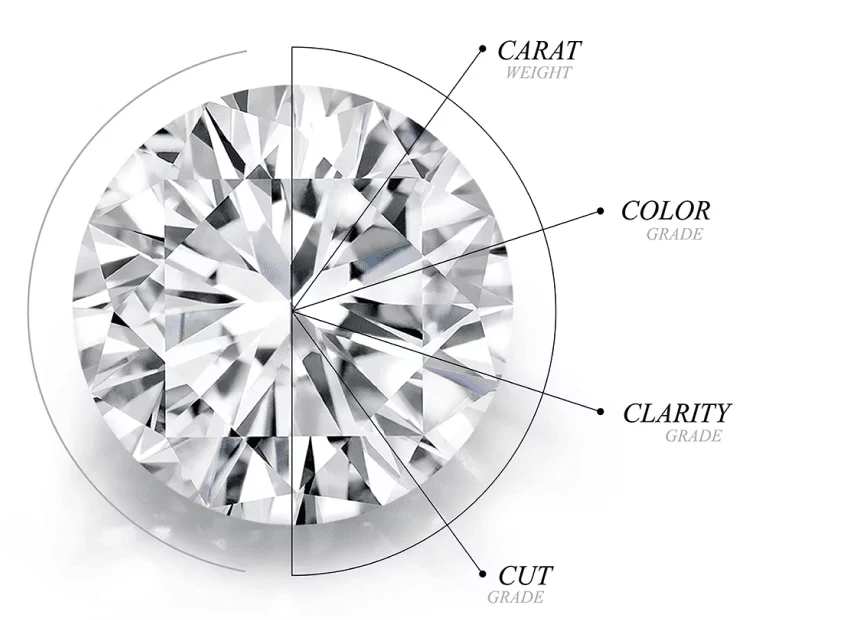
The 4 C's of diamond quality are the standard approach for assessing diamond quality. Color, clarity, cut, and carat weight are the four criteria used to describe diamonds. These parameters help to select good quality diamonds. Take a deep dive into the 4 C's of the diamond to inform your buying decision.
Diamond carat:
Carat weight refers to the overall weight of the diamond. 1 carat of the diamond is equivalent to
0.200 grams. Even a small difference in the weight can make a considerable difference in the
prince of the diamond.
At Keystar Gems, diamond carat weight is measured using an electronic scale machine.
1.Scintillation (the amount of sparkle a diamond emits).
2.Fire (the scattering of white light).
3.Brilliance (determined by how light is reflected from the diamond).
Diamond color:
Diamond color refers to the color of the diamond. A structurally perfect and chemically pure diamond has no color, like a drop of pure water, and hence, a higher value. At Keystar Gems, we use a grading scale from D (Colorless) to Z (Visible color). The difference between the two color grades is very subtle, so grading is done under controlled lighting using the master diamond sample set for comparison and accuracy.
Diamond cut:
A diamond cut refers to a diamond's proportions, symmetry, and polish so that the highest amount of light can reflect off the stone. The cut scale of the diamond contains grades ranging from excellent ideal, excellent, very good, good, and fair. 3 factors to consider when determining a good diamond cut are
Diamond clarity:
Diamonds, whether lab grown or natural, have inclusions and blemishes during the growth process. The diamond's clarity grade ranges from flawless to included. The price of the diamond depends on its clarity grade. The diamond with no inclusions has a higher grade and thus a higher value.
HPHT Diamonds: Key Facts

Cost-Effectiveness
HPHT diamonds offer a more budget-friendly option compared to mined diamonds. While natural diamonds undergo a lengthy process of mining and supply chain logistics, HPHT diamonds are produced directly in the lab, cutting out these additional costs.

Environmental Sustainability
HPHT diamonds are recognized for their sustainability and eco-friendliness. Unlike natural diamonds, which can cause environmental damage and require significant energy consumption, HPHT diamonds are produced with minimal impact on the environment.

Comparable Purity to Mined Diamonds
HPHT diamonds boast the same level of purity and authenticity as mined diamonds. To the untrained eye, lab-grown diamonds are virtually indistinguishable from their natural counterparts, possessing identical physical properties, chemical composition, and crystal structure. Only certified gemologists can discern the difference between the two.
DIFFERENCE
HPHT
Diamond
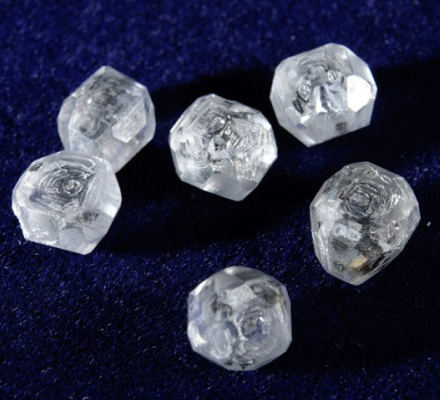
- Genuine
- Greenhouse-Sourced
- Environmentally Conscious
- Lifetime Assurance
- Non-Artificial
- Conflict-Free
- No Involvement in Child Labor
- Customizable
- Budget-Friendly
- Meets Quantity Demands
Mined Diamond
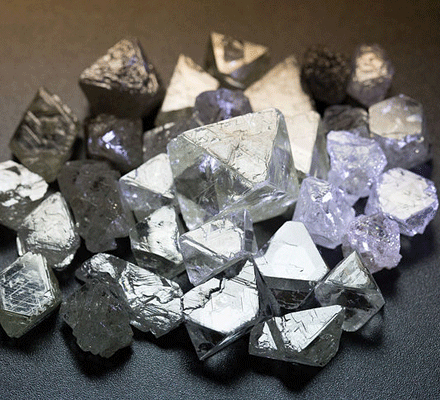
- Authentic
- Greenhouse-Sourced
- Limited Environmental Consciousness
- Lifetime Assurance
- Not Artificial
- Conflict-Free Status Not Guaranteed
- No Involvement in Child Labor
- Limited Customization Options
- Price Varies
- Availability May Vary
Copyright © 2024, All Right Reserved ..VALABROTHERS